01
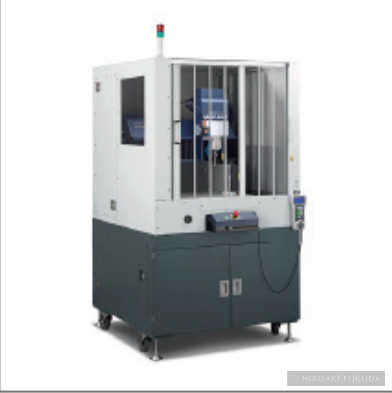
In 2022, I investigated how using machines to make forms changes both the making process and the decisions about form. Alongside the concepts behind the works, I describe the move from digital data to physical objects and the challenges encountered in fabrication.
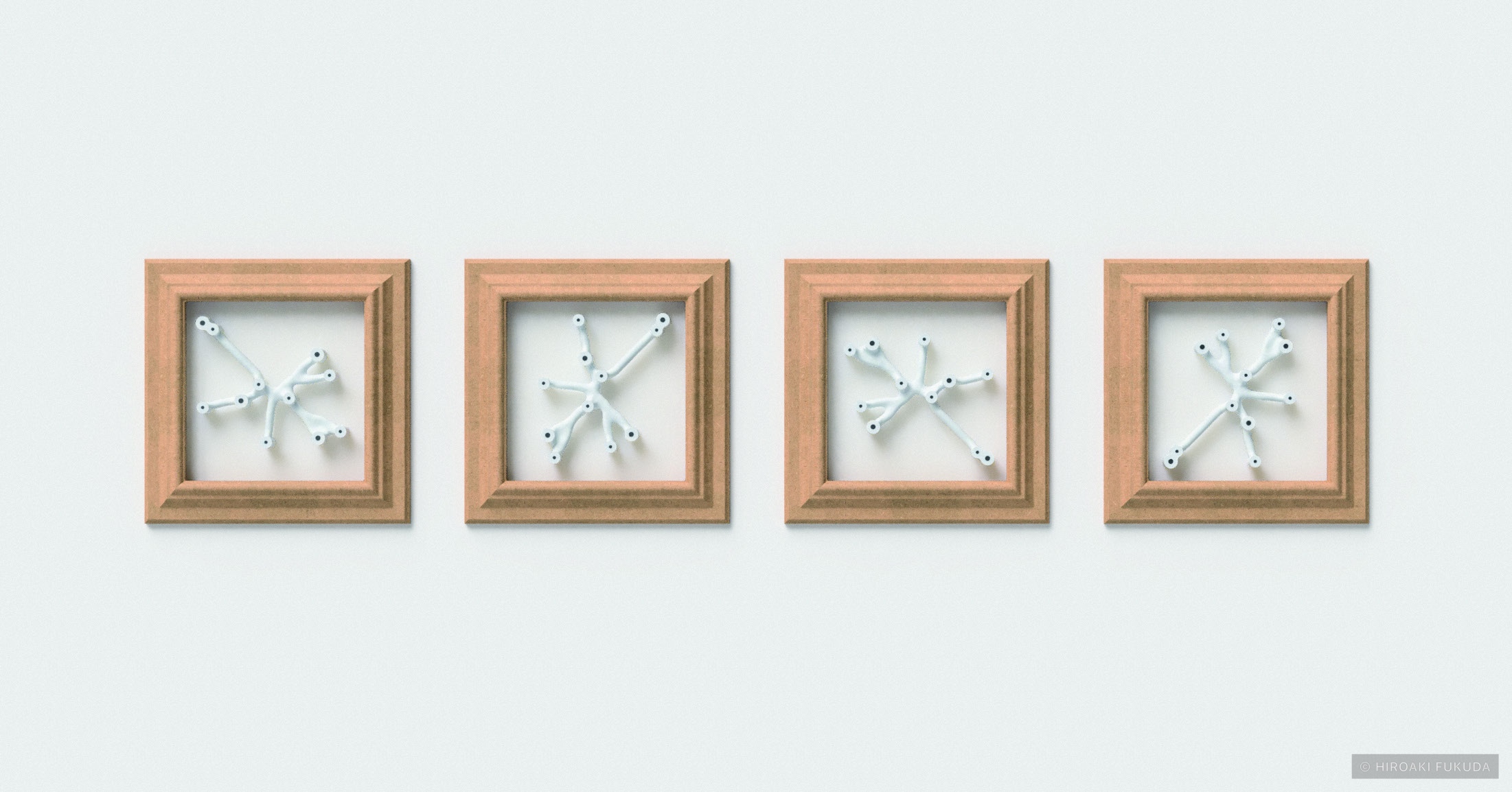
Read the 2022 research (JP) ↗View larger image ↗Objects with variations in form and surface texture are arranged in rectangular frames. Through this work, I considered what “subjective aesthetic value” might mean to a viewer and to a maker.
An interest in technology, together with a desire to move away from making that depends on an individual, led me to explore automation. I drew on the Pop Art approach of working “like a machine”, rather than placing the artist’s inner life or originality at the centre.
By transferring the shaping process to machines, I reduced its reliance on my own skills and manual work. Another aim was to establish a personal fabrication (PF) process that one person could carry out, rather than relying on a workshop system. I am seeking to bring this alternative to traditional workshop-based production into my own process.
The repeated forms inside the frames recall products made through mass production. I retained the tabs that hold parts in place during machining, although these would normally be removed afterwards, leaving room for changes in form that could not be fully predicted.
I see a parallel between this relationship of repetition and difference and the repeated images of screen printing, where misregistration retains traces of the human hand. The work considers how forms entrusted to machines can coexist without becoming entirely uniform.
 View larger image ↗
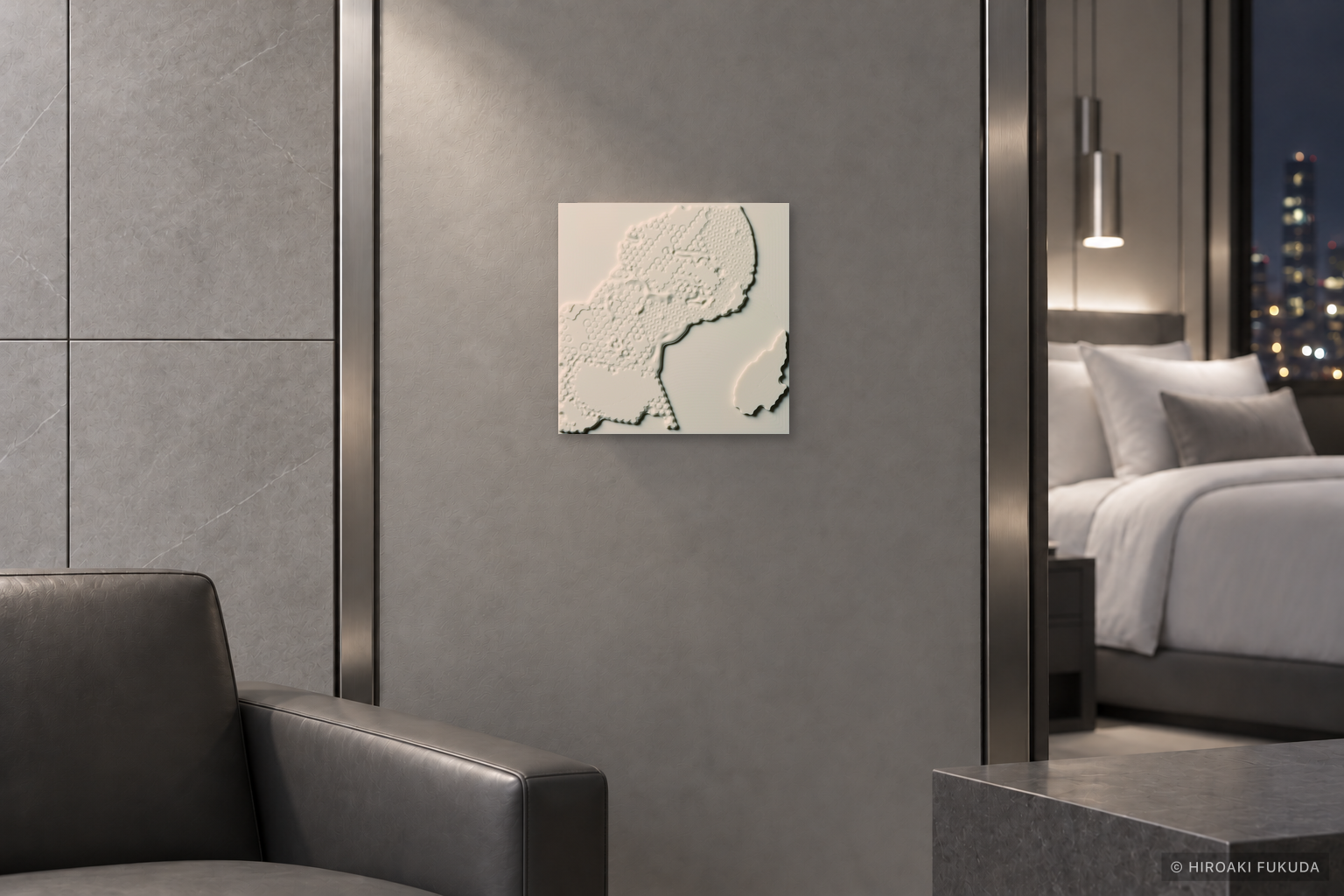
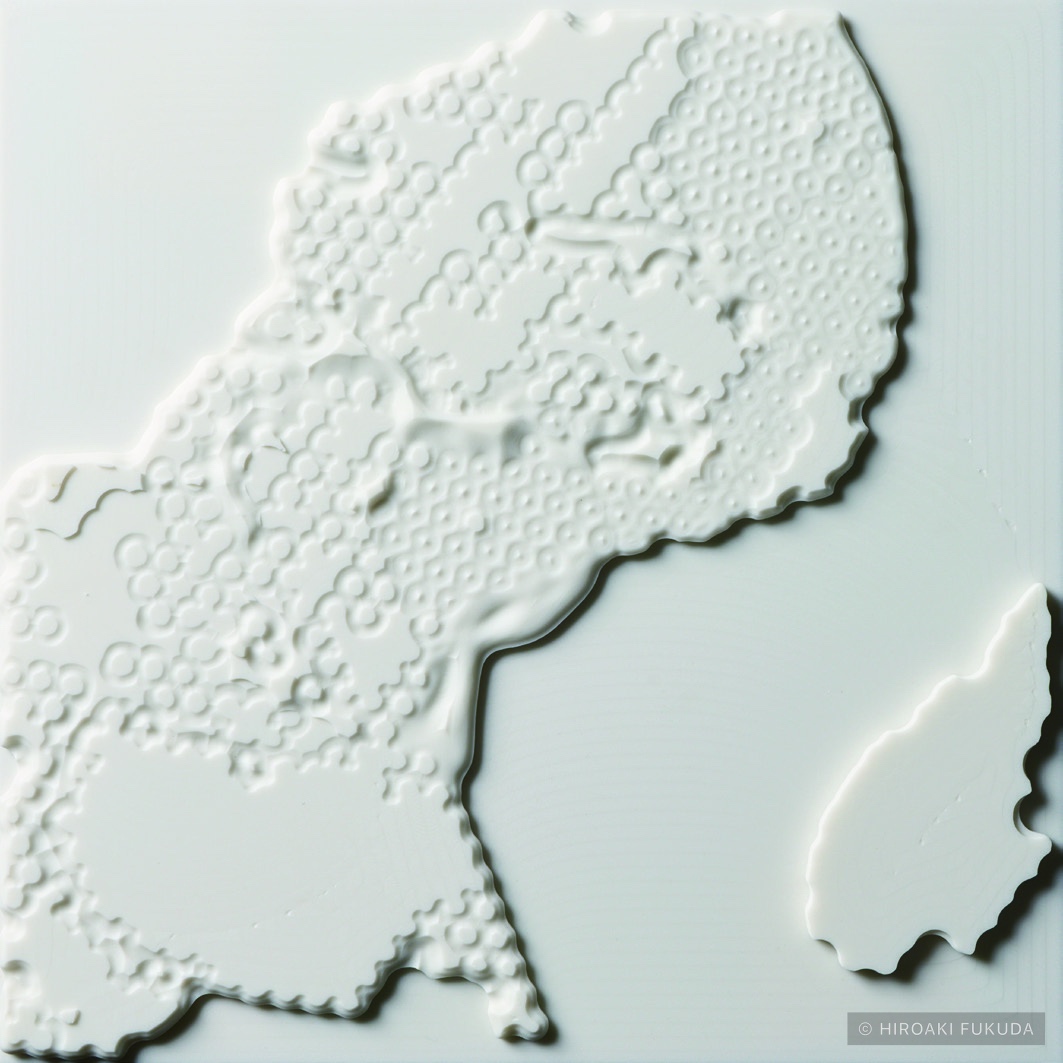
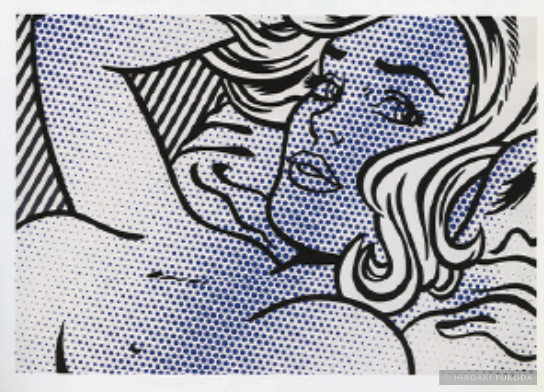
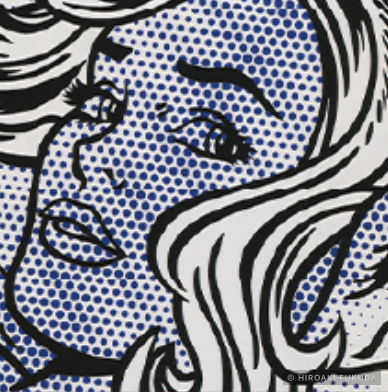
This experimental work uses automatic generation in computer software. It refers to the Pop Art painting Seductive Girl (1996), which brought imagery sampled from comics into contemporary art.
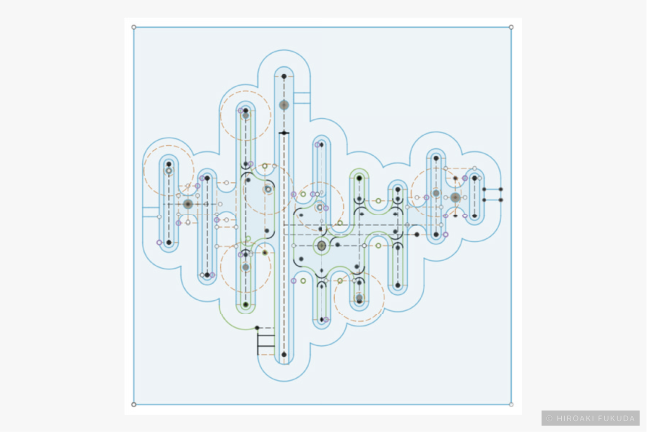
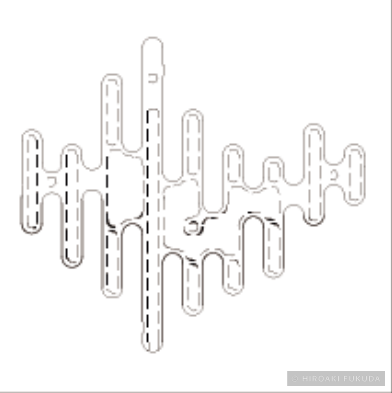
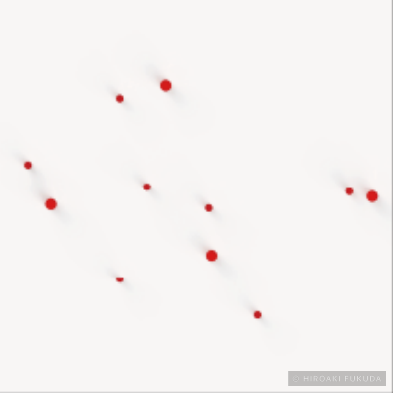
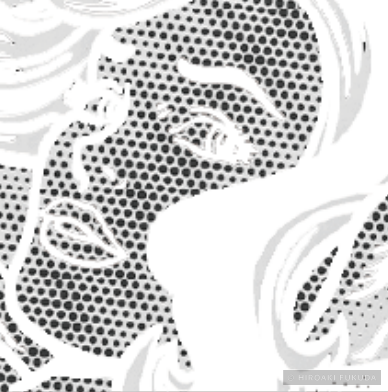
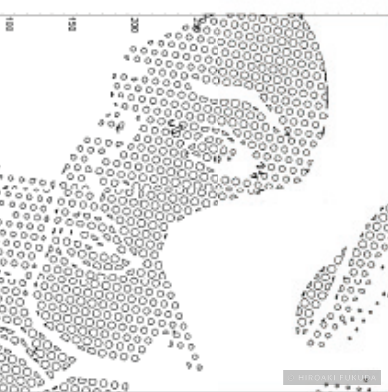
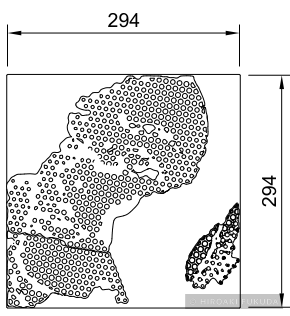
I cropped the source painting and extracted the dots associated with Pop Art. These were converted to SVG, developed into drawings and mapped as coordinates for algorithmic form generation. I also automated fabrication with machines, aiming to minimise human decisions about form.
Behind this work is the thought that, as images of particular people or events become distant and indistinct, an individual image might take on a universal presence or a kind of “holiness”. I looked to approaches that blur the outlines of images copied from photographs, and those that turn photographs into monochrome images for transfer to screen prints.
Could abstract forms that do not readily appear to have been shaped by hand invite readings different from the source painting and evoke each viewer’s own experiences? The work asks whether dismantling an image and giving it form again through machines can impart a sense of “holiness”.
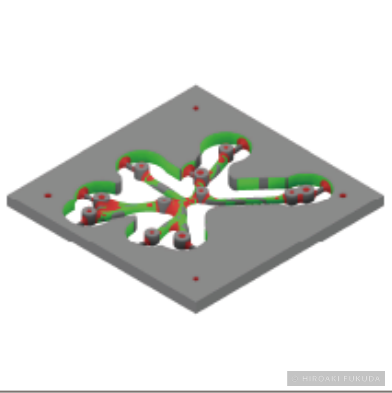
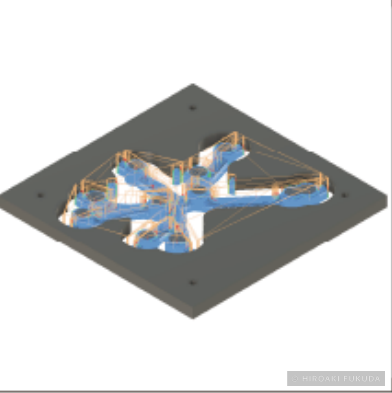
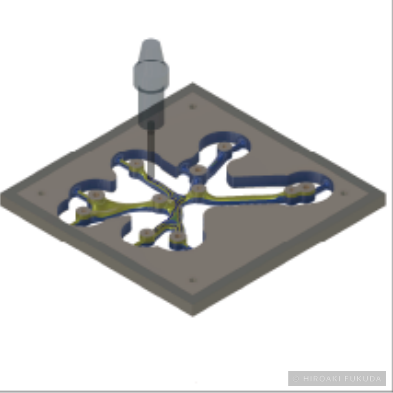
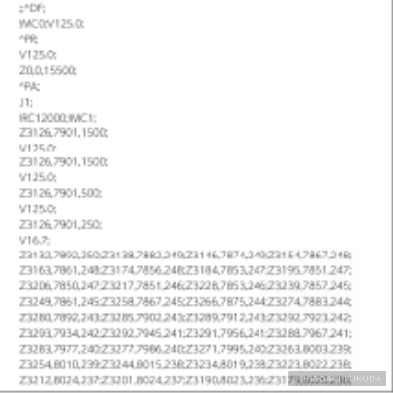
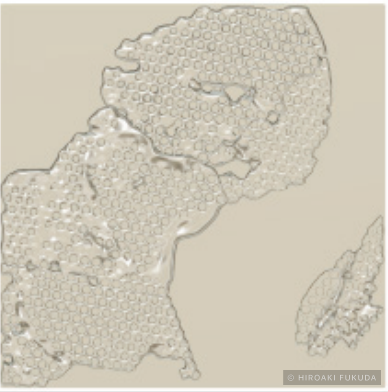
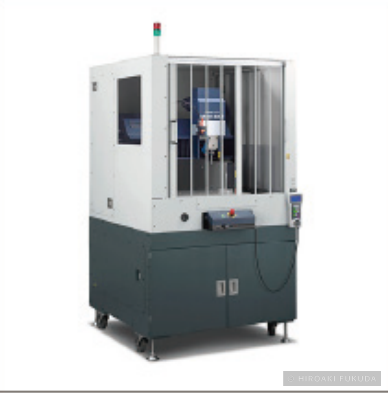
The forms were machined automatically following analysis, CAM, machining simulation and post-processing.
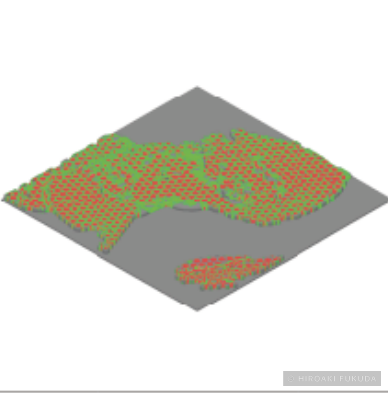
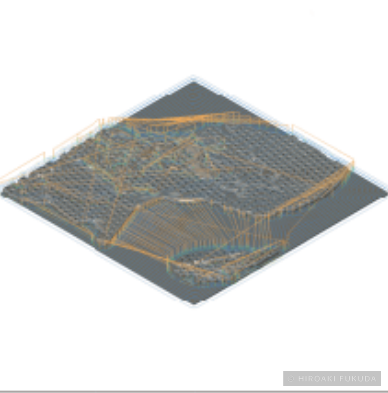
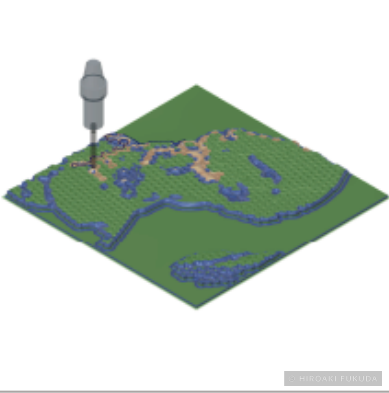
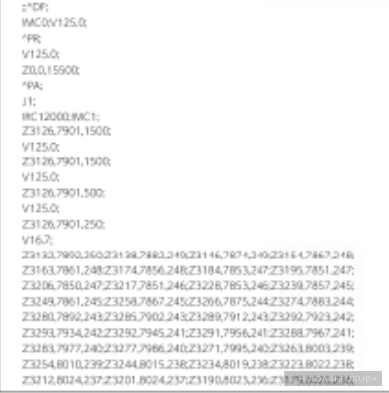
 View larger image ↗
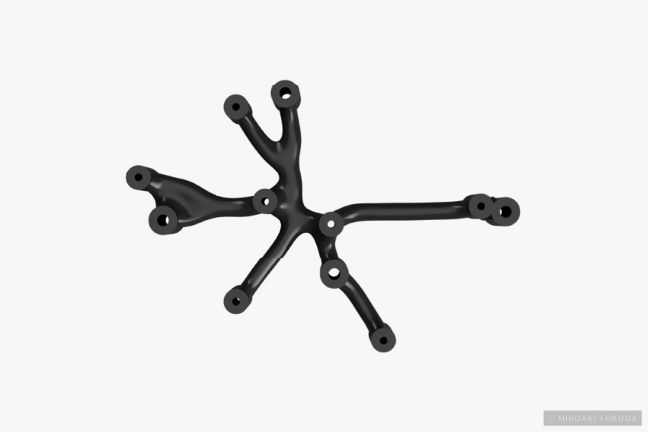
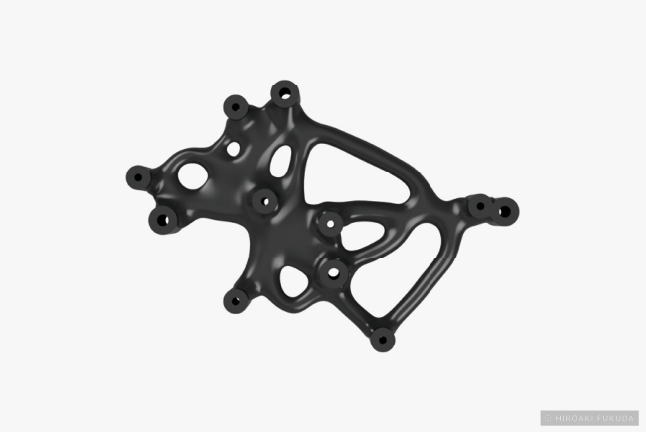
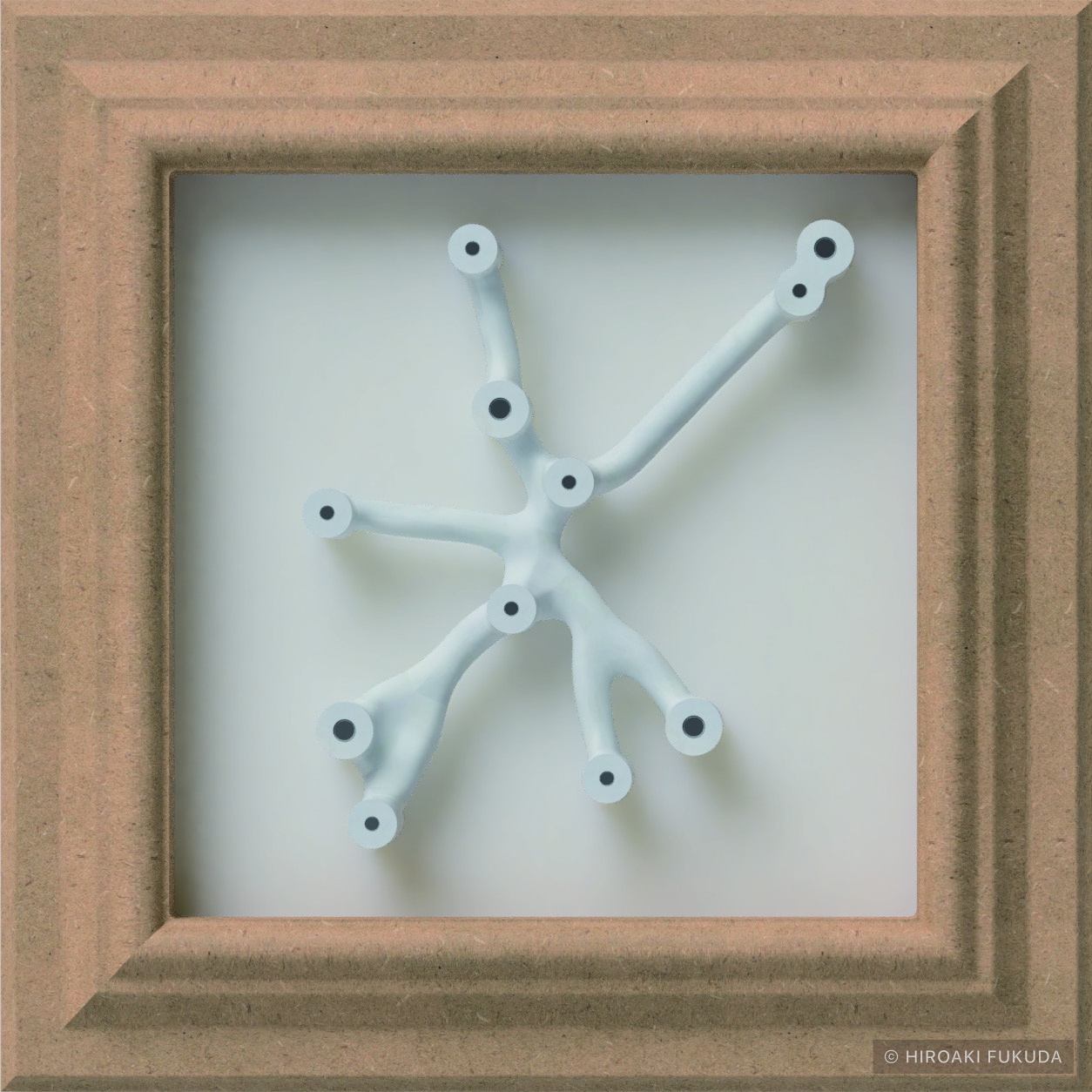
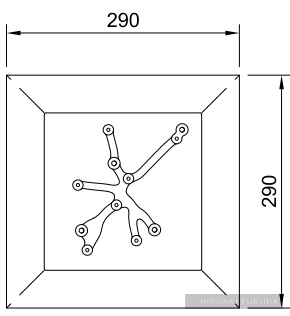
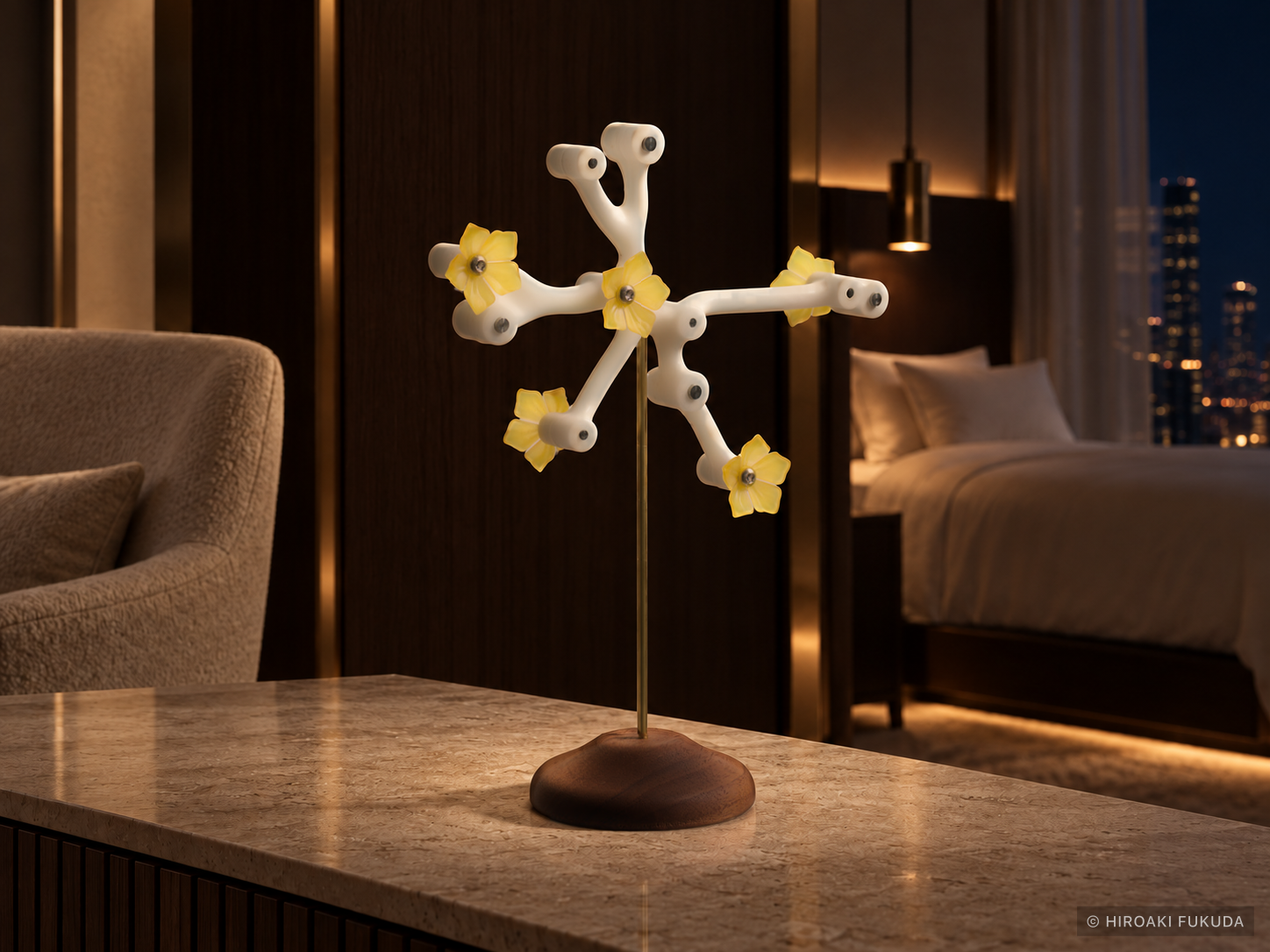
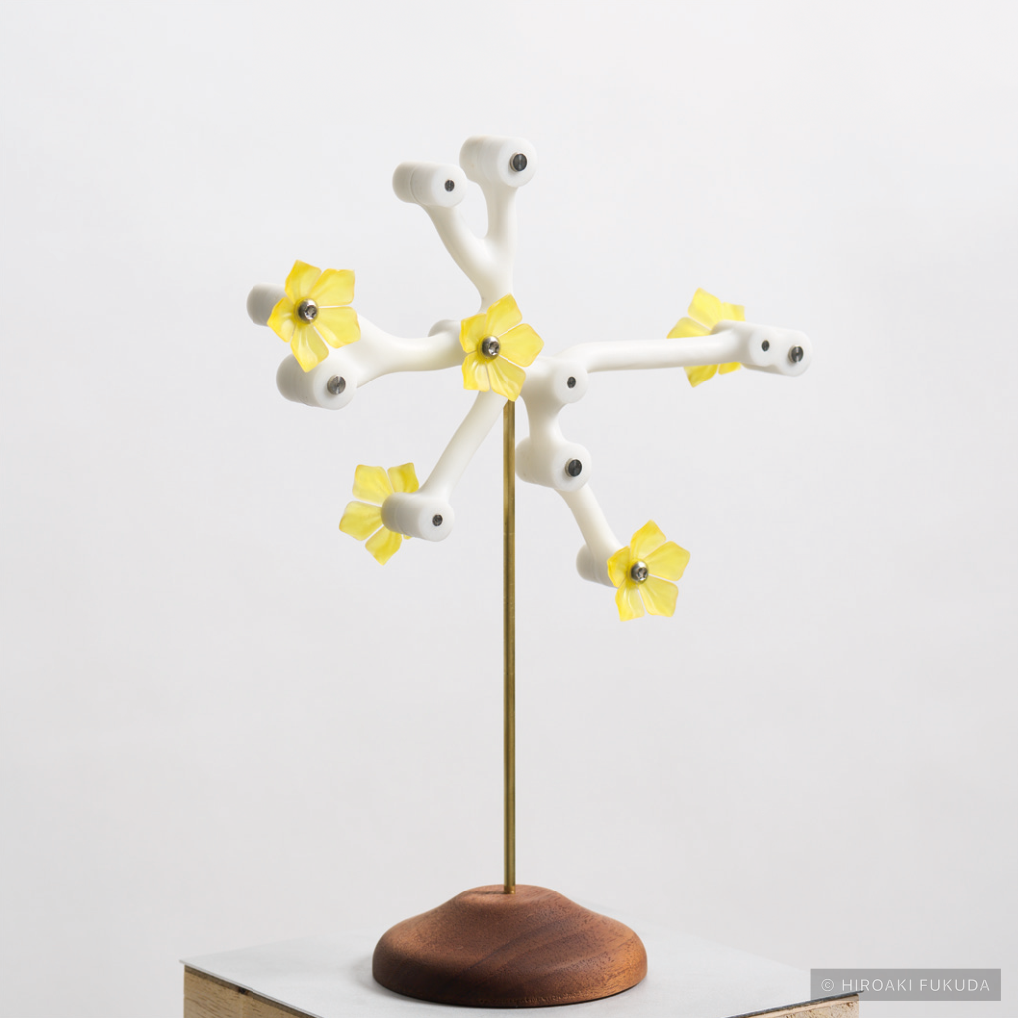
In this work, I used generative design to improve the form of earlier prototypes while seeking new forms. The technique generates models from conditions supplied to the software by the designer.
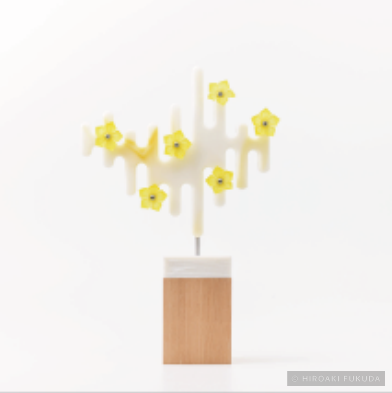
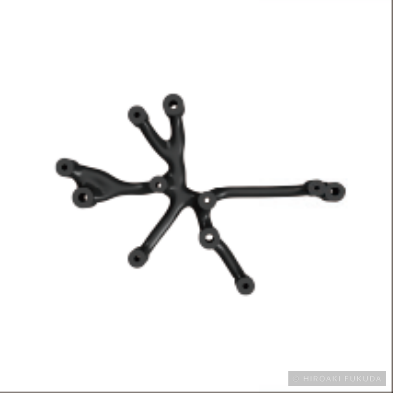
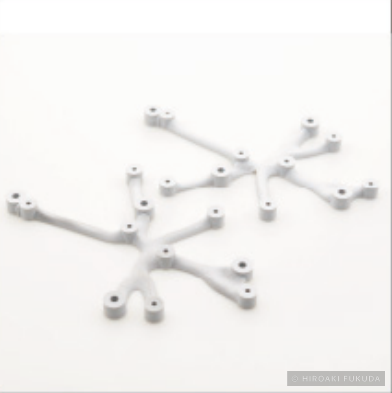
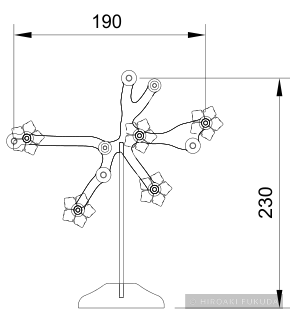
I explored automating the modelling process by setting conditions, and comparing several variations at once in search of “a form I had never seen”. I extracted the coordinates of the 6 mm alignment dowels and the screw positions used to attach the flowers, then generated alternative forms while retaining these connection points as constraints.
The generated forms suggest both plants such as ivy and non-living systems such as rivers. In considering these forms, I referred to the constructal law, proposed in 1996. It offers a way of viewing living and non-living systems as flow systems and considering different phenomena through a shared principle.
In the branching structure of the work, I see an echo of the tendency of forms to change towards arrangements that allow flow to pass more easily.
I extracted coordinates from drawings to generate forms, then evaluated them through 3D printing. The process moved through analysis, CAM, machining simulation and post-processing to automated machining. This is an early work in which I sought to connect “product-oriented industrialisation” and “the context of art”.